to the bone
high fantasy play-by-post wolf rpg | recommended for ages 16+
Compendium
to the bone · high fantasy wolf rpg
Gods
The divine powers that shape the lands of Rise
I
The Gods of Rise
"One who built.
One who unmade. And between them—everything that has ever lived
and died in the land they named Rise."
—fragment of the gods' origin story
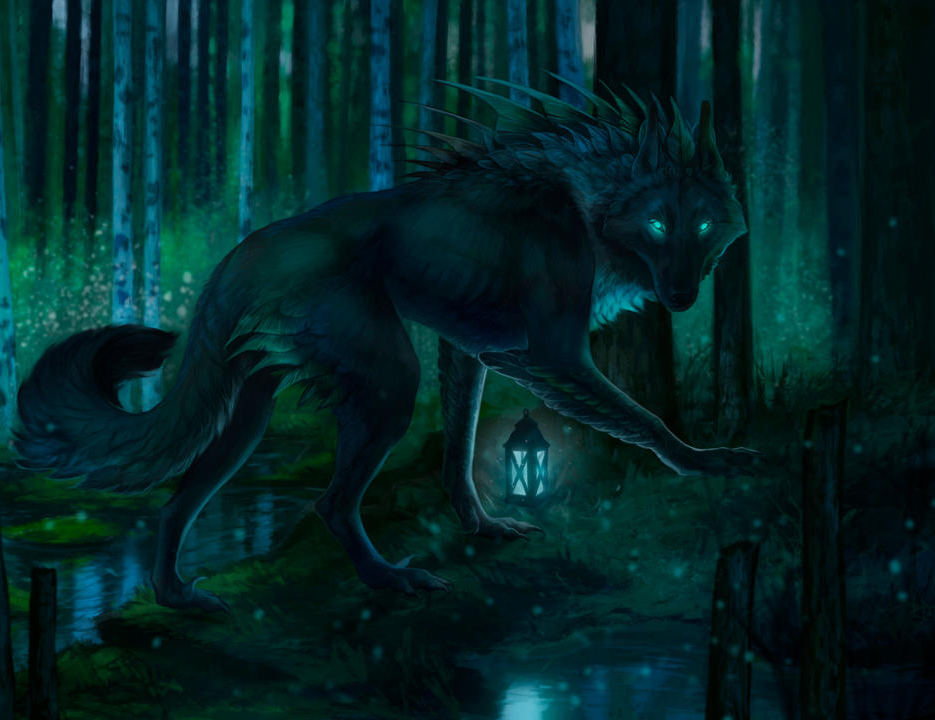
Anarket
lord of death
Death
Peace
Memory
Endings
Cold as the glacier that bears his name, Anarket does not hate
the living—he simply waits for them. He is the stillness
after the last breath, the frost that settles over still water.
Those who worship him do not fear death. They court it, believing
that his favour grants passage into something greater than life.
His most beloved followers are granted the rare magical gift of ferrying—also known colloquially as Grievers.
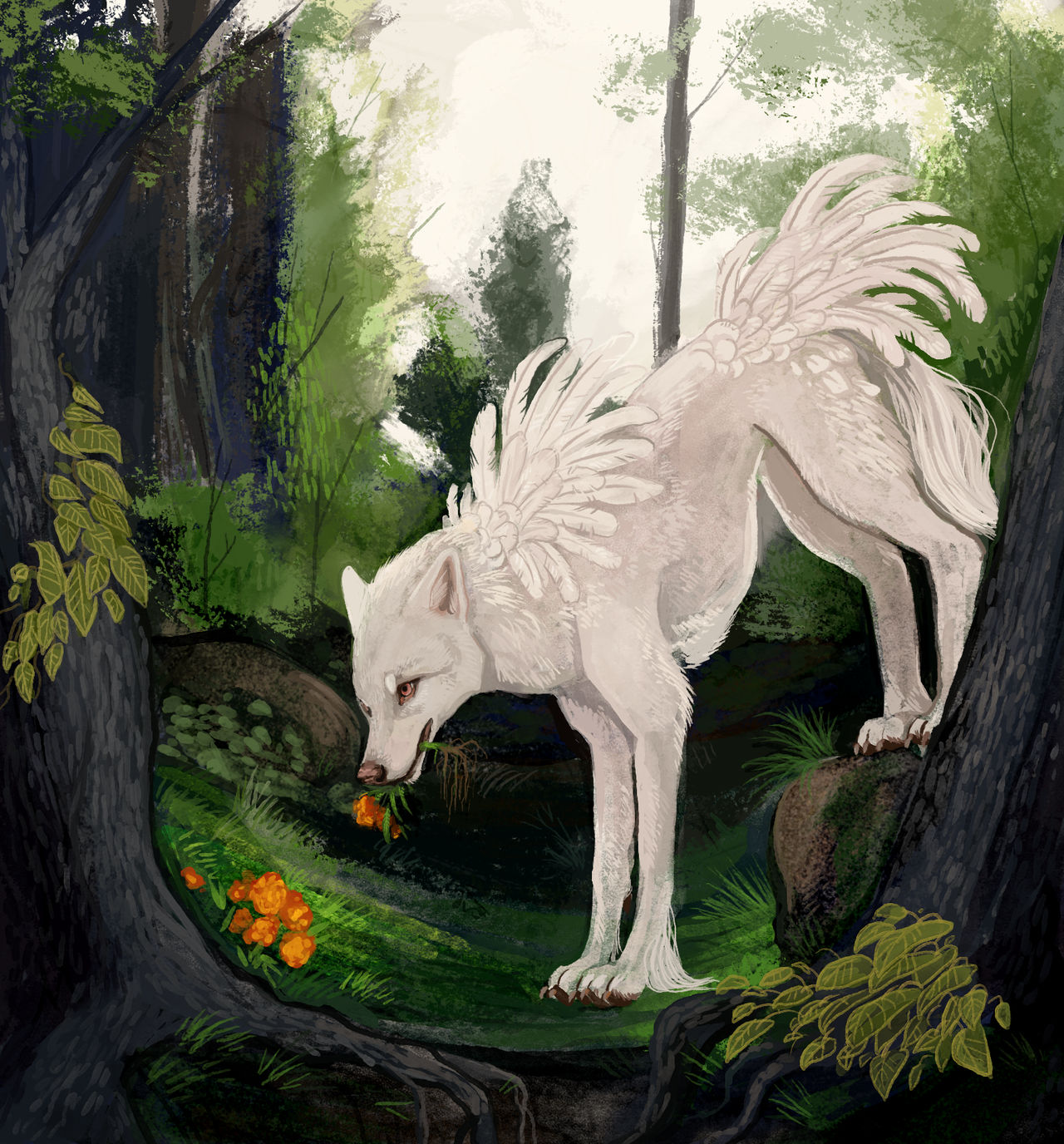
Malaket
lady of life
Life
Fire
Growth
Beginnings
Where Anarket is silence, Malaket is noise. She is the crack
of new ice, the first howl of spring, the ember that refuses
to go dark. Her followers, despite being healers, are not always gentle. Life, Malaket teaches,
is not a gift. It is a fight. Those who burn brightest are those
who have earned her favour through sheer, furious will to exist; and
her most beloved bear the rare magical gift of healing.
The gods of Rise are active characters and may appear in threads. In this way, the administration team can take on more of a Dungeon Master role in the game, and drive plot events/motivate impactful character choices. For those uncomfortable with the idea of divine intervention or being steered in any particular story direction by an outside force, you can choose to opt out of divine intervention when setting up your character's profile!
✦
II
Healers & Grievers
Much like the gods of Rise representing life and death, the founding lore of Rise centers around reincarnation, and what it means for a wolf to be in possession of its soul. It is traditionally believed that Anarket and Malaket loved their original mortal children so dearly, the gods cannot bear to be parted from them forever, and thus they are consistently returned to Rise, with new names and new faces, and mostly without memories from their past. A child may have once been a sibling, a grandfather, an ancestress—even an old, fallen enemy. Reincarnation is the ultimate act of love between Anarket and Malaket. Ferriers—those with Anarket’s blessing, the power to collect and ferry the souls of the deceased to leyline mouths—release their magical burden back to Malaket, who reclaims her mortal children and reshapes them into their next form. Souls do not always return as wolves, and they do not always return to life immediately after death. However, it is believed for those who lived vibrantly and truly, or for those with unfinished business that haunts them still, returning as a wolf is the highest honor Malaket can bestow.
Healing can be done without magic, utilizing plants and herbs found all over the land of Rise, but Healers have the magical gift to close wounds, soothe fevers, and make what is broken whole. This magical gift can only be given by Malaket to her most beloved acolytes. Healers are a highly-sought member of any pack; what group wouldn’t want to recruit the gift of restoring soldiers on the field of battle, or chasing away the risk of a fast-sweeping illness? Healers are revered, beloved, and sometimes hold as much sway as leaders and kings.
Ferrying is a magical gift that ties directly into the lore of reincarnation. Known more commonly by the slang term Griever, these wolves can sense death, collect souls, and are in tune with where the magic of Rise pulses the brightest. These areas are called leyline mouths, and souls can be returned to Malaket magically. Grievers, despite their mythological importance, are not always well-liked or trusted. Not everyone still holds with the old lore or belief in Rise’s gods; others understand the gods exist, but mislike their presence and sway over life and death. Grievers are not always welcomed, and are sometimes seen as charlatans, or worse, corrupt; after all, what proof is there that the soul of a lost loved one is being collected for a higher purpose like reincarnation?
Grievers and Healers may ally with any pack they choose, or remain solitary. They may bear children if they wish, but the children may not interfere with the oaths they’ve sworn to their gods. The ancient law of the land dictates that they are to be given free and safe passage over all of Rise, despite any territorial claims laid by packs, despite any alliances they have made, and despite any current conflicts, battles, or wars. It is the highest crime to harm a Healer or a Griever, or to prevent them from carrying out their holy work. Deceased wolves whose souls are left uncollected may become unmoored—they may find their way back to life again, or they may drift off, lost forever, which is an unfathomable punishment. Grievers are not to turn their backs on the souls of the dead; Healers are not to turn away from wolves who might yet be saved from death.
However, it is unclear if these powers, once bestowed, are ever removed by the gods, and there are dark tales meant to scare children of Healers who used their magic for harm, and Grievers who consumed the souls they were meant to protect…
III
Holy Days
Each year, the veil between life and death thins on the Solstices and Equinoxes. On these days, the un-reincarnated dead may appear fleetingly in Rise, to speak with their loved ones, or to frighten their adversaries. Ghosts do not always appear during these times; if they are too weak from being newly dead to attempt to manifest during the holy day, or if they have already been reincarnated, they may not make contact with the living at all.
New holy days can always be created by pack leaders for their packs, or suggested by members!